Restoring an antique guéridon is a delicate art that requires patience, knowledge, and a gentle touch. These elegant small tables, often crafted from fine woods, marble, or bronze, carry with them the stories of centuries past. Whether your piece originates from the opulence of the Louis XV era or the grandeur of the Napoleon III period, the goal of any restoration should always be to honour its history whilst ensuring it remains functional and beautiful for generations to come. Striking the right balance between repair and preservation is essential, as overzealous intervention can strip away the very character that makes these pieces so captivating.
Understanding your antique guéridon: materials, styles, and historical significance
Before embarking on any restoration project, it is crucial to develop a thorough understanding of the piece in question. Antique guéridons come in a variety of styles and materials, each reflecting the tastes and craftsmanship of their respective periods. Recognising these details not only helps in identifying the table's origin but also informs the most appropriate restoration techniques. A thoughtful approach begins with careful observation and research, ensuring that every decision respects the historical and aesthetic integrity of the furniture.
Identifying period styles: from louis xv to napoleon iii
The stylistic evolution of guéridons mirrors the broader shifts in European decorative arts. The Louis XV period, characterised by its Rococo flourishes, often features curvaceous lines, ornate carvings, and delicate cabriole legs. These pieces exude a sense of movement and grace, with surfaces that may include intricate marquetry or inlay work. Moving forward in time, the Empire and Napoleon III styles embrace a more structured and symmetrical aesthetic, drawing inspiration from classical antiquity. These tables often showcase rich mahogany or walnut veneers, bronze mounts, and a sense of grandeur that speaks to the ambitions of their era. Understanding these distinctions is essential, as each style carries its own set of restoration considerations and historical significance.
Recognising Materials and Construction Techniques in Period Pieces
The materials and construction methods used in antique guéridons provide vital clues about their age and authenticity. Traditional hand finishing, veneering techniques, and the use of solid woods such as oak, mahogany, cherry, and walnut are hallmarks of quality craftsmanship. Marquetry and inlay work, often featuring contrasting woods or even ivory, demonstrate the skill and artistry of the original maker. Additionally, the joinery methods, such as mortise and tenon or dovetail joints, reveal the level of expertise employed. Recognising these elements helps restorers determine the most appropriate methods for repair and ensures that any new work blends seamlessly with the original. It is also important to note the presence of any original hardware, such as locks, keys, or bronze fittings, as these components contribute to the overall authenticity and value of the piece.
Essential restoration techniques: cleaning, stripping, and surface preparation
Once you have a firm grasp of your guéridon's historical context and construction, the next step is to address the practical aspects of restoration. This phase requires a careful balance between removing accumulated grime and damage whilst preserving the original patina that gives the piece its character. The techniques employed should always be as gentle and reversible as possible, avoiding harsh chemicals or aggressive methods that could cause irreparable harm. Professional restorers often emphasise the importance of proceeding slowly, testing methods on inconspicuous areas, and consulting with experts when in doubt.
Gentle cleaning methods using mild soap and water
The first step in any restoration project is to clean the surface of the guéridon. This process should be approached with caution, as the goal is to remove dirt and surface grime without disturbing the underlying finish or patina. A solution of water and a mild soap is often the safest starting point. Using a soft cloth dampened with this mixture, gently wipe down the surface, taking care not to saturate the wood or allow moisture to seep into joints or cracks. For particularly stubborn areas, a slightly more concentrated solution may be used, but always test in an inconspicuous spot first. After cleaning, it is essential to dry the surface immediately with a clean, dry cloth to prevent any moisture damage. This method is effective for removing surface dirt whilst respecting the delicate finishes that have developed over time, ensuring that the piece retains its historical integrity.
Careful paint removal with abrasive paper without damaging original wood
In some cases, an antique guéridon may have been painted over in a misguided attempt at modernisation or concealment of damage. Removing this paint requires a delicate touch to avoid harming the underlying wood. Whilst chemical strippers can be effective, they carry the risk of penetrating too deeply or causing discolouration. An alternative approach involves the careful use of abrasive paper. Fine-grit sandpaper or steel wool can be employed to gradually lift the paint layers, but this must be done with extreme care and patience. The goal is to work slowly, checking progress frequently to ensure that the original wood surface is not being eroded. It is often advisable to consult with a professional restorer who can assess the thickness of the paint and the condition of the wood beneath. In some instances, a combination of gentle scraping and minimal sanding may be the best course of action. Throughout this process, the preservation of the original patina should remain a priority, as this layer of wear and age is what gives the piece its authentic charm and historical significance.
Protecting and finishing: maintaining authenticity whilst ensuring longevity
Once the guéridon has been cleaned and any necessary repairs completed, the final stage of restoration focuses on protecting the surface and enhancing its natural beauty. This step is crucial for ensuring that the piece remains functional and visually appealing for years to come. However, it is vital that any finishing work respects the original character of the furniture, avoiding modern interventions that could detract from its authenticity. The use of traditional materials and techniques is key to achieving a result that honours the craftsmanship of the past.
Applying Beeswax to Enhance Natural Beauty and Protect Surfaces
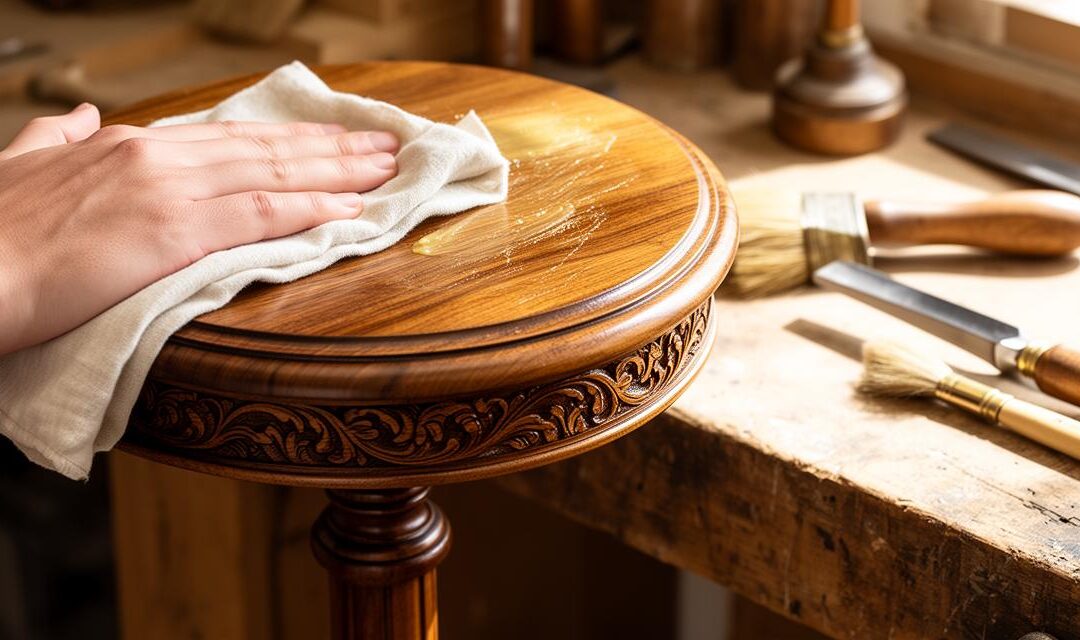
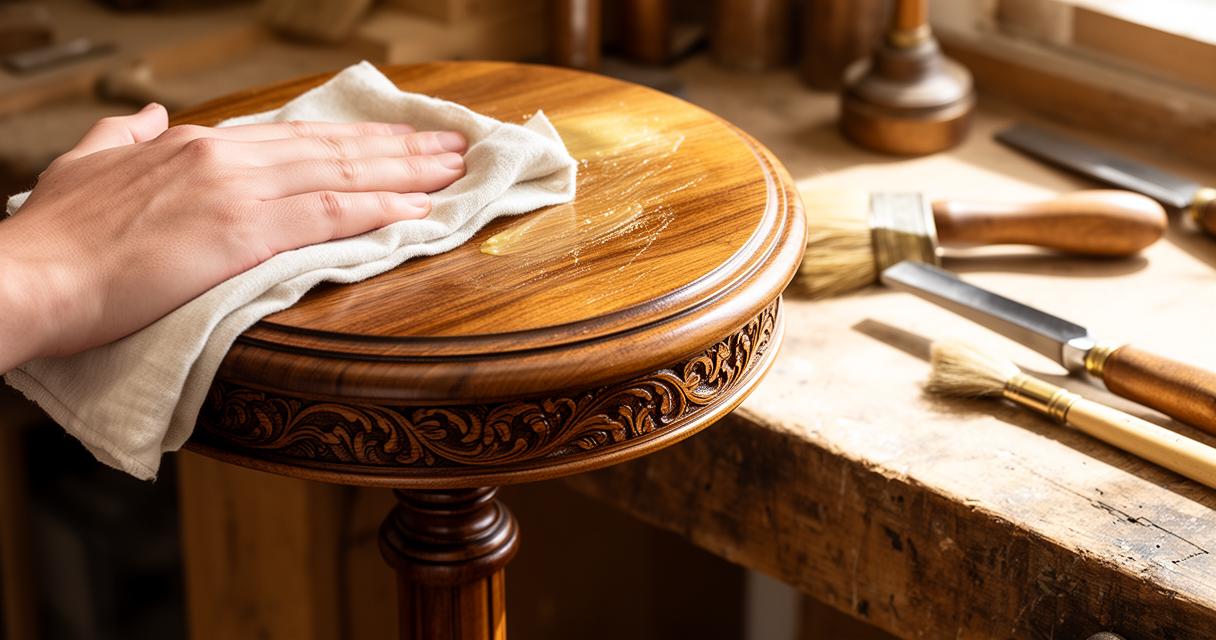
One of the most effective and historically appropriate methods for finishing an antique guéridon is the application of beeswax. This natural product not only enhances the depth and richness of the wood's grain but also provides a protective layer against moisture and everyday wear. To apply, warm a small amount of beeswax and spread it evenly over the surface using a soft cloth, working in the direction of the grain. Allow the wax to penetrate the wood for a few minutes, then buff to a soft sheen with a clean cloth. This process can be repeated periodically to maintain the finish and protect the wood. Beeswax is particularly valued for its ability to preserve the original patina whilst adding a subtle lustre that highlights the beauty of the material. Unlike modern synthetic finishes, it remains reversible and allows the wood to breathe, which is essential for the long-term health of the piece.
Respecting original decoration whilst avoiding excessive modern interventions
A cardinal rule in antique restoration is to respect the original decoration and avoid excessive modern interventions. Whether your guéridon features Art Deco motifs, Baroque carvings, or Rococo embellishments, these elements are integral to its identity and should be preserved whenever possible. Any repairs or touch-ups should aim to blend seamlessly with the existing work, using traditional techniques such as hand carving, turning, or marquetry. In cases where original components are missing, it is preferable to commission bespoke replacements crafted in the same style and materials rather than resorting to modern alternatives. The goal is always to maintain the authenticity and aesthetic value of the piece, ensuring that future generations can appreciate it as a genuine artefact of its time. By adhering to these principles and drawing on the expertise of professional restorers, you can ensure that your antique guéridon remains a treasured heirloom, its history and beauty preserved for years to come.