
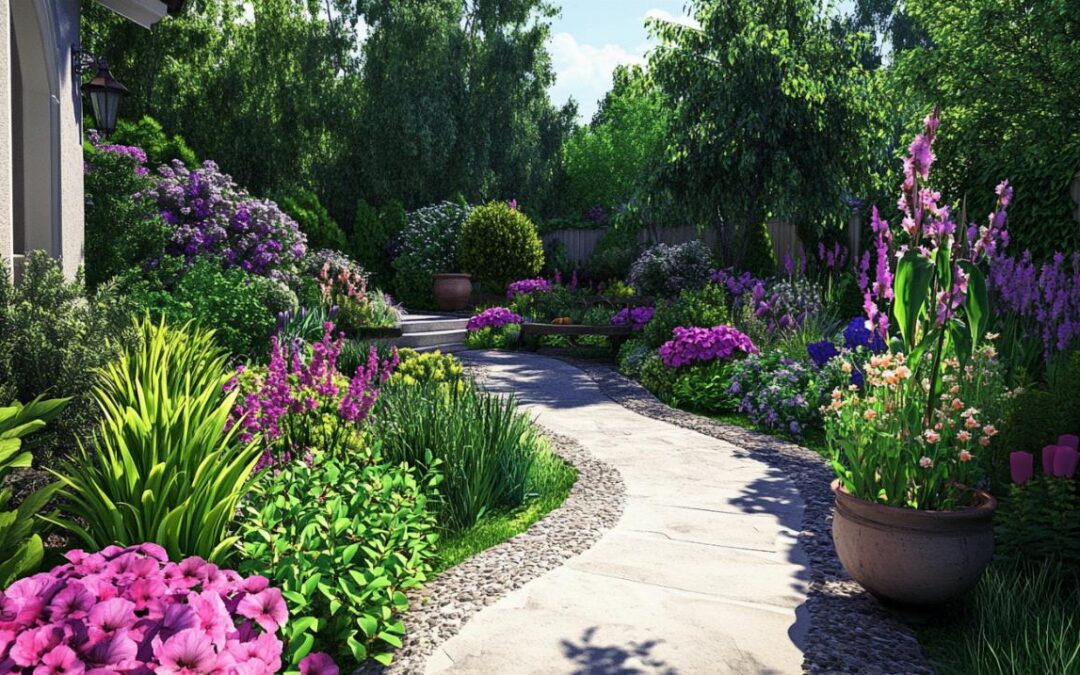
Creating a garden that appeals to all the senses is an endeavour that goes beyond mere aesthetics. It is about fashioning a space where every element, from the rustling of ornamental grasses to the intoxicating perfume of roses, works together to evoke a sense of peace and connection with nature. Whether you have a sprawling plot or a modest balcony, the principles of designing a sensory garden can transform your outdoor area into a sanctuary that nurtures well-being and offers a respite from the daily grind. By thoughtfully considering sight, smell, sound, touch, and taste, you can cultivate an environment that not only looks stunning but also engages you in a multisensory experience that promotes mindfulness and stress reduction.
Planning Your Garden: Foundations for a Thriving Outdoor Retreat
Understanding your site: soil, climate, and microclimates
Before you begin planting, it is essential to understand the unique characteristics of your plot. Every garden has its own personality shaped by soil type, climate, and the presence of microclimates. Soil can vary from heavy clay to sandy loam, and each type influences which plants will thrive and which will struggle. Testing your soil's pH and drainage capabilities will guide you in selecting suitable species and amending the earth as needed to support robust growth. Climate plays an equally significant role, as the local weather patterns dictate the length of the growing season, the frequency of frost, and the amount of rainfall your garden will receive. Moreover, within a single garden, microclimates can exist due to variations in sunlight, wind exposure, and moisture levels. A corner shaded by a tall fence may remain cooler and damper, making it ideal for ferns and hostas, while a south-facing wall can create a warm pocket perfect for heat-loving herbs like rosemary and lavender. Recognising these subtleties allows you to match plants to their preferred conditions, reducing the need for intensive maintenance and ensuring that your sensory garden flourishes throughout the year.
Designing Functional Zones: Creating Spaces for Relaxation and Entertainment
A well-planned garden should feature distinct zones that cater to different activities and moods. Consider dedicating one area to quiet contemplation, where seating is arranged among fragrant plants and the gentle sound of trickling water invites you to pause and reflect. Another zone might be designed for entertaining, with space for dining and pathways that encourage guests to explore the varied plantings. The layout should guide visitors naturally from one space to another, using curves and sightlines to create a sense of mystery and discovery. Pathways can be more than functional; they can influence the pace at which you move through the garden and reveal unexpected delights at every turn. Varying the materials underfoot, such as gravel that crunches satisfyingly or smooth natural stone that feels cool to the touch, adds another layer of sensory stimulation. Comfort is paramount, so ensure there is ample seating positioned to take advantage of morning sun or evening shade, and provide shelter from rain and wind to extend the usability of your garden in all seasons. Accessibility should also be a priority, with paths that are wide and level enough for wheelchairs and those with mobility challenges, ensuring that everyone can enjoy the sensory richness you have created.
Selecting Plants and Materials: Building a Sustainable and Visually Stunning Landscape
Choosing the Right Plants: Colour, Texture, and Seasonal Interest
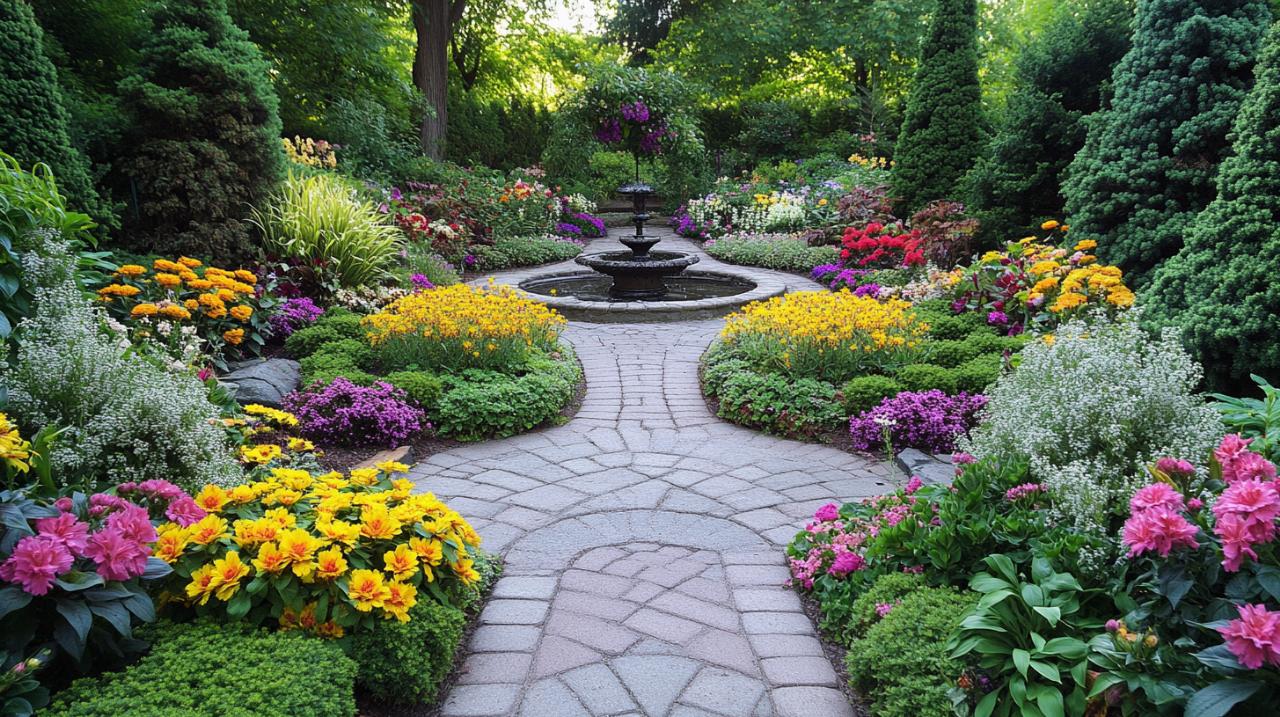
The plants you select are the heart of your sensory garden, providing colour, texture, and the all-important visual interest that changes with the seasons. A planting scheme that incorporates a mix of evergreen shrubs, perennial flowers, and deciduous trees ensures that there is always something to admire, from the fresh growth of spring through to the fiery hues of autumn and the sculptural forms of winter. Colour can be used to dramatic effect, with bold contrasts between vibrant dahlias and delicate pastel pansies creating focal points that draw the eye. Varying heights and forms add depth, so combine tall delphiniums and foxgloves with low-growing thyme and lady's mantle to create layers that invite closer inspection. Texture is equally important, and the juxtaposition of soft lamb's ears against the rough bark of a mature tree or the feathery fronds of ornamental grasses provides a tactile experience that enriches your garden. Fragrant plants such as jasmine, honeysuckle, and sweet peas infuse the air with scent, while herbs like mint, basil, and chives offer both aromatic and culinary rewards. Edible flowers, including nasturtiums, calendula, and violas, add a touch of whimsy and can be used to garnish salads, demonstrating the connection between your garden and the food you enjoy. By selecting plants that appeal to multiple senses, you create a space that is not only beautiful but also deeply engaging.
Sustainable Materials and Resistant Varieties: Eco-Friendly Choices for Longevity
Sustainability should be at the core of your garden design, guiding both your choice of plants and the materials you use for hardscaping. Opting for native wildflowers and plants that are well-adapted to your local climate reduces the need for excessive watering and chemical inputs, while also supporting pollinators such as bees and butterflies. Resistant varieties, whether disease-resistant roses or drought-tolerant succulents, are less demanding and more likely to thrive without intensive intervention. When selecting materials for paths, edging, and structures, consider natural stone, reclaimed timber, and pebbles sourced responsibly. These materials not only blend seamlessly with the natural environment but also age gracefully, developing a patina that adds character over time. Avoid synthetic products that may leach chemicals into the soil or degrade quickly, necessitating frequent replacement. Bamboo, for instance, is an excellent choice for screening and structures, as it grows rapidly and provides a rustling sound when stirred by the wind. Gravel and pebbles are practical for paths and borders, offering good drainage and a contrasting sound underfoot that enhances the auditory experience of your garden. By making eco-friendly choices, you create a garden that is resilient and harmonious, capable of weathering the challenges of changing seasons and supporting a diverse ecosystem.
Enhancing Your Garden with Water, Lighting, and Ongoing Care
Water Management and Lighting Principles: Creating Ambience and Efficiency
Water features are a cornerstone of a sensory garden, providing both visual movement and the soothing sound of trickling or splashing water. A simple fountain or a small pond can become a focal point, reflecting light and sky while attracting wildlife such as dragonflies and birds. The sound of water has a calming effect, helping to mask urban noise and create a tranquil atmosphere that encourages relaxation and mindfulness. However, water management extends beyond aesthetics to practical considerations such as irrigation and drainage. Installing a rainwater harvesting system allows you to collect and store water for use during dry spells, reducing reliance on mains supply and supporting sustainable gardening practices. Mulching around plants helps retain soil moisture and suppresses weeds, while drip irrigation delivers water directly to roots with minimal waste. Lighting is equally important in shaping the ambience of your garden, extending its usability into the evening hours and highlighting key features. Soft, warm lights can be used to illuminate pathways and seating areas, ensuring safety while creating an inviting glow. Uplighting on trees and architectural plants adds drama, casting intriguing shadows and emphasising texture and form. Solar-powered lights are an eco-friendly option that require no wiring and harness the sun's energy during the day. By thoughtfully integrating water and lighting, you enhance the sensory experience and create a garden that is as enchanting by night as it is by day.
Maintenance strategies: keeping your garden looking its best all year round
A sensory garden, while designed to be as low-maintenance as possible, still requires regular care to remain vibrant and healthy. Developing a maintenance routine that includes pruning, deadheading, and seasonal tidying ensures that plants remain vigorous and that the garden continues to offer a multisensory experience. In spring, focus on clearing away winter debris, dividing overgrown perennials, and applying a fresh layer of mulch to nourish the soil. Summer maintenance involves regular watering, especially during dry spells, and removing spent blooms from plants like roses and lavender to encourage further flowering. Autumn is the time to plant bulbs for next spring, cut back perennials, and protect tender plants from frost. Winter care is minimal but important, involving the occasional check of structures and paths for damage and the opportunity to plan improvements for the coming year. It is also crucial to leave some areas of the garden a little wild, as seed heads and fallen leaves provide food and shelter for insects and birds, contributing to the biodiversity that makes a sensory garden truly alive. Regular visits to a garden centre can provide inspiration and access to expert advice, helping you to refine your planting scheme and discover new varieties that will enhance your space. By committing to ongoing care, you ensure that your sensory garden remains a harmonious and attractive retreat that continues to delight all who visit it.