Selecting the right materials for the area behind your stove is not merely about visual appeal; it requires careful thought about safety, durability, and how your chosen cladding complements the existing décor. The kitchen remains a focal point of the home, and ensuring that every element works together is paramount to achieving a harmonious and inviting space.
Essential Safety and Material Considerations for Stove Backsplash Cladding
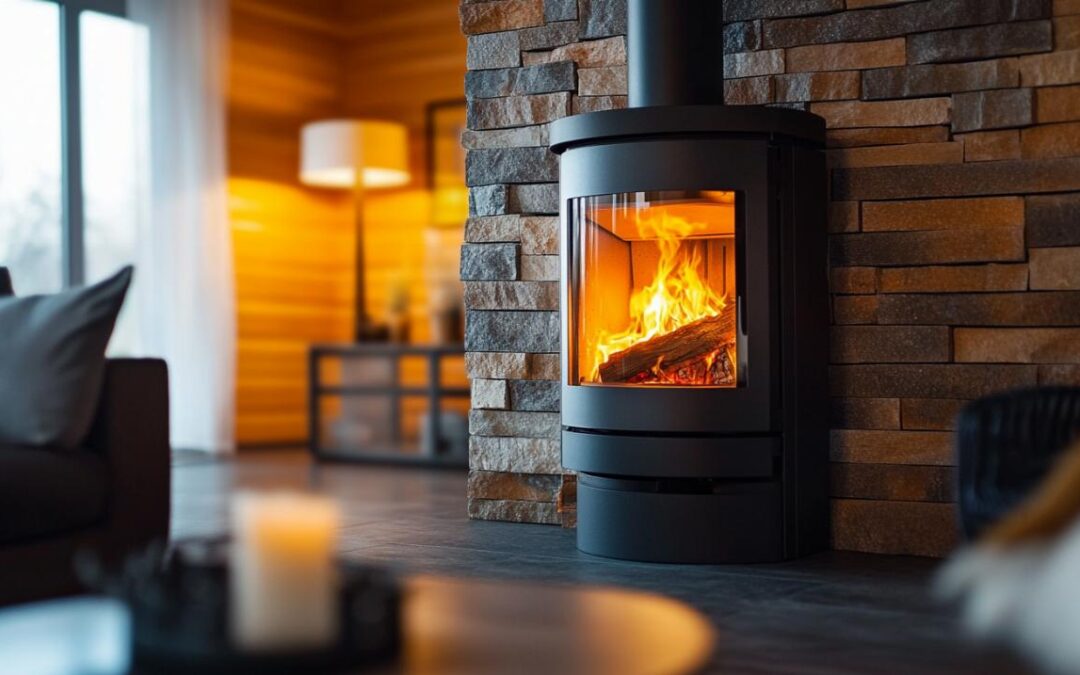
When considering what to install behind your stove, the first priority must always be the protection of your wall from the intense heat generated during cooking. The material you choose needs to withstand high temperatures without cracking, discolouring, or compromising the structural integrity of your kitchen. Natural stone veneer stands out as an excellent option due to its inherent fire resistance, which makes it suitable for high-temperature environments. Products such as Rock Panels are specifically designed to handle temperature changes with confidence, providing a robust barrier between the stove and your wall. The distance between the stove and the wall also plays a crucial role in ensuring safety, and it is advisable to consult installation guidelines to maintain the appropriate clearance and to guarantee that your cladding functions effectively as a heat-shield.
Heat Resistance and Distance Requirements: Protecting Your Wall from Damage
Understanding the relationship between heat and materials is essential when planning your kitchen. Quartzite, granite, and slate are among the top choices for behind a wood stove, offering both resilience and aesthetic appeal. These materials not only resist the thermal stress of daily cooking but also contribute to a refined and enduring finish. Ensuring that the chosen cladding is fire-rated is a sensible precaution, and products classified as A1 fire-rated provide peace of mind, particularly in environments where open flames or intense heat are commonplace. Proper installation is equally vital, as even the most robust materials can fail if not fitted correctly. Maintaining the recommended distance between the stove and the wall, alongside the use of temperature-resistant stone, helps to safeguard your kitchen from potential damage and ensures that your installation stands the test of time.
Comparing Natural Stone, Reconstituted Stone, and Ceramics for Behind-Stove Installation
The choice between natural stone, reconstituted stone, and ceramics depends on both practical requirements and personal taste. Natural stone cladding offers a timeless quality and an organic texture that is difficult to replicate, with options including interlocking wall panels that simplify installation and provide a seamless appearance. Reconstituted stone, on the other hand, is crafted from moulds using a mix of cement and oxide dyes, resulting in a pre-cast product that can deliver a consistent finish while remaining cost-effective. This option has proven popular for feature walls, fireplaces, and other interior applications, with certain blends making up a significant portion of customer orders. Ceramics and stoneware present yet another alternative, offering a wide range of colours and textures that can be tailored to suit contemporary or traditional kitchens alike. Each material brings its own set of benefits, and understanding the nuances of each will help you make an informed decision that balances safety, aesthetics, and budget.
Aesthetic choices: matching your cladding materials to your interior design
Once safety and durability have been addressed, the focus shifts to creating a visually cohesive kitchen that reflects your personal style. The cladding behind your stove should not be an afterthought but rather a central element that ties together the colour scheme and materials used throughout the space. Whether you favour the rustic charm of natural stone or the sleek lines of large format tiles, the key is to ensure that your choice enhances the overall interior rather than detracting from it. Colour options ranging from whites and greys to blacks and earth tones provide a versatile palette that can be adapted to suit any design vision.
Coordinating Stoneware and Natural Stone Textures with Your Kitchen's Colour Palette
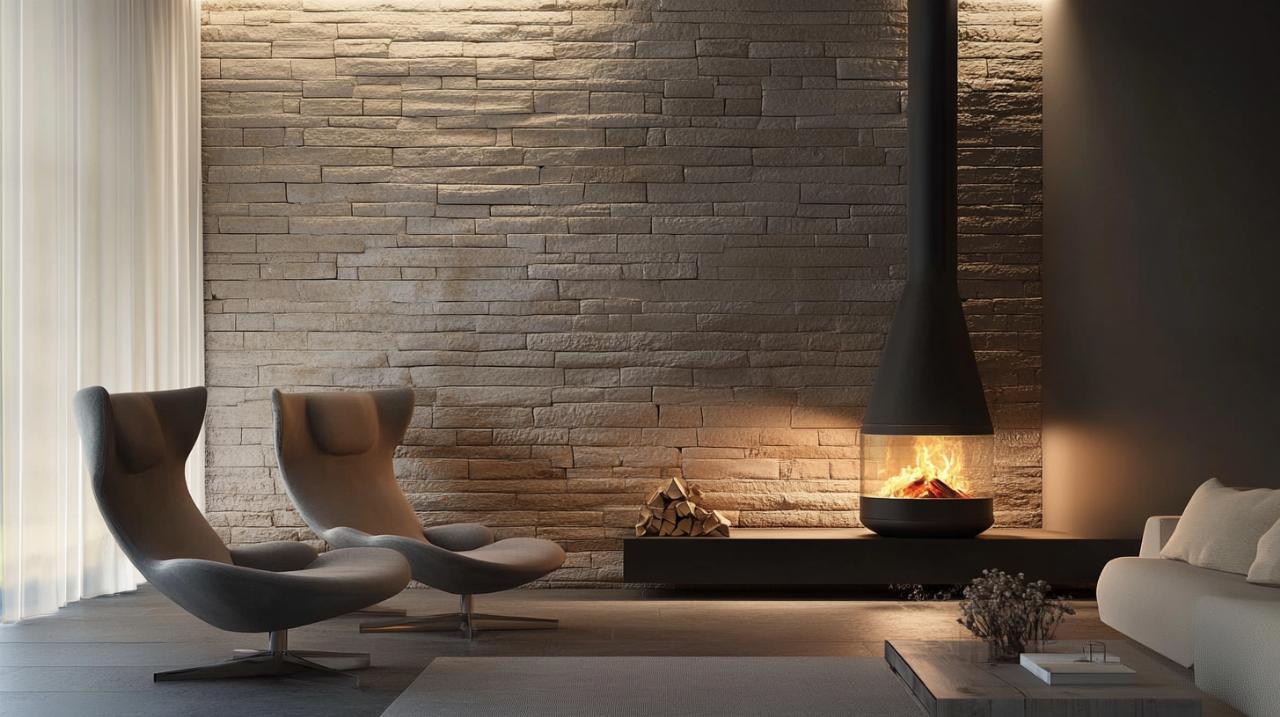
The texture and hue of your chosen cladding can dramatically influence the atmosphere of your kitchen. For instance, pairing an ochre blend rock panel with black cast iron stoves, wood beams, and leather furniture creates a warm and inviting environment that feels both traditional and contemporary. Similarly, white rock panels used for full-height stone feature walls can brighten a space and provide a clean, modern backdrop that allows other design elements to shine. Interlocking tiles offer another opportunity to introduce subtle variation and interest, particularly when paired with built-in shelving or open storage. The PLANC large format tile series, with its linear appearance, can lend a sense of sophistication and order, while charcoal stone panels deliver a dramatic effect that commands attention. The choice of colour and texture should be guided by the existing décor, ensuring that the cladding serves as a natural extension of your kitchen's overall aesthetic.
Balancing Wood Accents and Stone Protection for a Cohesive Kitchen Aesthetic
Integrating wood accents with stone cladding requires a delicate balance to avoid visual clutter while still achieving a layered and interesting design. Wood beams, log walls, and wooden cabinetry can complement the rugged beauty of natural stone, creating a space that feels both grounded and elegant. However, it is important to ensure that the stone cladding provides adequate protection for the wall, particularly in areas where heat and moisture are prevalent. The use of stone veneer products as a heat-shield not only safeguards your walls but also introduces a tactile quality that wood alone cannot achieve. When selecting materials, consider how the grain of the wood interacts with the texture of the stone, and aim for a harmonious contrast that highlights the best features of both. This approach ensures that your kitchen remains a functional and beautiful space where every element has a purpose and a place.
Practical Maintenance and Long-Term Performance of Kitchen Backsplash Materials
Beyond initial installation, the long-term maintenance and durability of your cladding are critical factors that will influence your satisfaction with the choice you make. Understanding the care requirements for different materials will help you to preserve the appearance and functionality of your kitchen for years to come. Natural stone, reconstituted stone, and ceramics each have their own maintenance needs, and being aware of these from the outset will save time and effort in the future.
Cleaning and Care Requirements for Different Cladding Choices Behind the Stove
Natural stone cladding, while robust, does require regular cleaning to prevent the buildup of grease and grime that is inevitable in a busy kitchen. A gentle cleaner and a soft cloth are usually sufficient to maintain the surface, though some homeowners choose to apply colour enhancers or wet-look sealers to deepen the hue and add an extra layer of protection. Reconstituted stone, being pre-cast and uniform in finish, can often be cleaned with similar methods, though it may be less porous than natural stone and therefore slightly easier to maintain. Ceramics and stoneware are typically non-porous and highly resistant to staining, making them an excellent choice for those who prefer a low-maintenance option. Regardless of the material, it is advisable to wipe down the cladding regularly and to address any spills or splatters promptly to prevent staining and discolouration. Establishing a routine cleaning schedule will ensure that your backsplash remains as attractive and functional as the day it was installed.
Durability and Resistance: Ensuring Your Installation Stands the Test of Time
The durability of your cladding is influenced by both the inherent properties of the material and the quality of the installation. Products designed for high-temperature environments, such as those made from quartzite, granite, and slate, are engineered to resist thermal stress and physical wear. Interlocking systems that accommodate angles between sixty-five and one hundred and fifteen degrees offer flexibility during installation and contribute to a more secure and lasting result. Warranty solutions provided by reputable manufacturers and their partners offer additional assurance, covering both the materials and the installation process. Opting for a rainscreen cladding system can also enhance the longevity of your installation by allowing moisture to escape and preventing damage from condensation. When selecting cladding, it is worth considering not only the immediate aesthetic impact but also how the material will perform over time. Investing in high-quality products and professional installation will pay dividends in the form of a kitchen that remains beautiful, safe, and functional for many years. Engaging with specialists who can provide advice tailored to your specific needs will further ensure that your choice meets all practical and aesthetic requirements, resulting in a space that truly reflects your vision and lifestyle.