
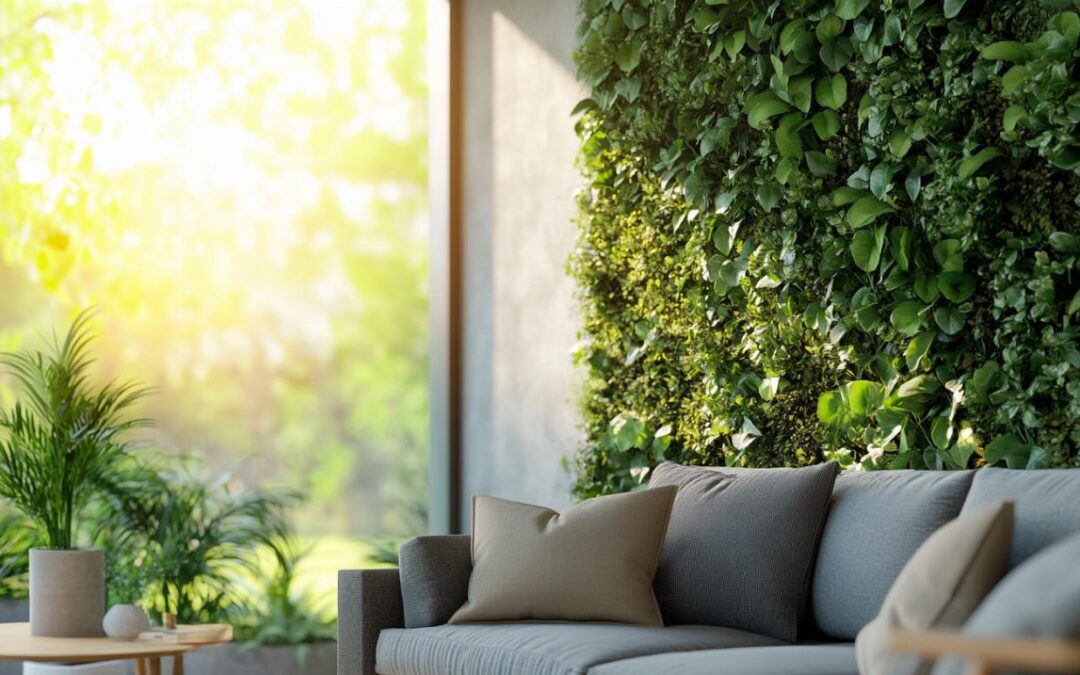
Transforming a blank wall into a vertical oasis has become one of the most sought-after trends for homeowners looking to bring nature indoors. Whether you opt for the lush vibrancy of real foliage or the hassle-free charm of artificial greenery, an indoor green wall offers both aesthetic appeal and practical benefits. From purifying the air to adding a striking focal point, these installations blend creativity with functionality, making them an ideal project for anyone eager to enhance their living space with a touch of botanical beauty.
Planning your indoor green wall: essential considerations and design choices
Choosing between living plants, stabilised foliage, and artificial greenery
Before diving into the installation process, it is crucial to decide which type of greenery best suits your lifestyle and the environment you wish to create. Living walls, composed of real plants, offer the unparalleled benefit of improving indoor air quality and regulating room temperature naturally. They bring a dynamic, ever-changing element to your space as plants grow and evolve over time. However, they do require consistent care, including regular watering, feeding, and monitoring for pests or disease. For those who appreciate the look of greenery but prefer a lower-maintenance option, stabilised foliage or artificial plants provide an excellent alternative. Artificial trees, flowers, and foliage have advanced significantly in recent years, offering realistic textures and colours that mimic nature without the need for sunlight or water. Many UK retailers specialise in high-quality artificial greenery, making it easier than ever to achieve a lush appearance with minimal upkeep. If you are unsure which route to take, consider creating vision boards to explore different styles and visualise how each type of greenery might fit into your home. This planning stage allows you to weigh the benefits of living walls against the convenience of artificial options, ensuring that your final choice aligns with both your aesthetic preferences and practical needs.
Selecting the Right Wall Location and Assessing Structural Requirements
Once you have settled on the type of greenery, the next step is to choose the perfect location for your indoor green wall. The wall you select must be sturdy enough to support the weight of the installation, especially if you are opting for a living wall system that includes water reservoirs, planters, and soil. It is wise to consult a professional if you have any doubts about the structural integrity of your chosen wall. Beyond structural considerations, the amount of natural light the area receives will play a significant role in determining which plants will thrive there. If your selected spot enjoys abundant sunlight, you can choose from a wider variety of plants, including herbs such as basil, mint, or rosemary, which not only add fragrance but also serve a functional purpose in the kitchen. For shadier corners, opt for foliage that tolerates lower light levels. Additionally, you should protect your plants from drafts and extreme temperature fluctuations, as these can hinder growth and overall plant health. Measuring the space accurately is essential to determine how many planters or panels you will need. Some companies offer handy calculators to simplify this process, ensuring you purchase the right amount of materials without overbuying or falling short. Taking the time to plan these details thoroughly will set the foundation for a successful and visually stunning green wall.
Building your green wall: materials, systems, and step-by-step installation
Gathering your kit: frames, pockets, pots, and mounting hardware
Assembling the necessary materials is a critical step in bringing your indoor green wall to life. Depending on whether you are creating a living wall or an artificial one, your shopping list will vary slightly. For living walls, you will need planters that can hold at least one and a half litres of water, preferably made from eco-friendly, recycled materials. These planters should feature an integrated water reservoir to reduce the frequency of watering and an overflow water system to prevent waterlogging. Look for systems that include a top-up reminder for the reservoir, as this will help you maintain optimal moisture levels without constant monitoring. In addition to planters, you will require a sturdy frame or trellis to support the weight of the installation. Some systems come with pre-assembled frames designed for easy mounting, while others may require you to construct a custom framework using wood and mounting hardware such as drills, screws, and brackets. For artificial living walls, the process is slightly simpler. You will need artificial foliage mats, a staple gun or cable ties, a tape measure, and a frame or trellis to which you can attach the greenery. Many UK retailers offer plant bundles or individual selections from a garden centre, making it convenient to source everything you need in one go. Do not forget to include pots and planters that complement your chosen style, as these will enhance the overall aesthetic of your green wall. Free delivery is often available on orders over a certain threshold, so it is worth consolidating your purchases to take advantage of such offers.
Installing Watering and Drainage Systems for Living Plant Walls
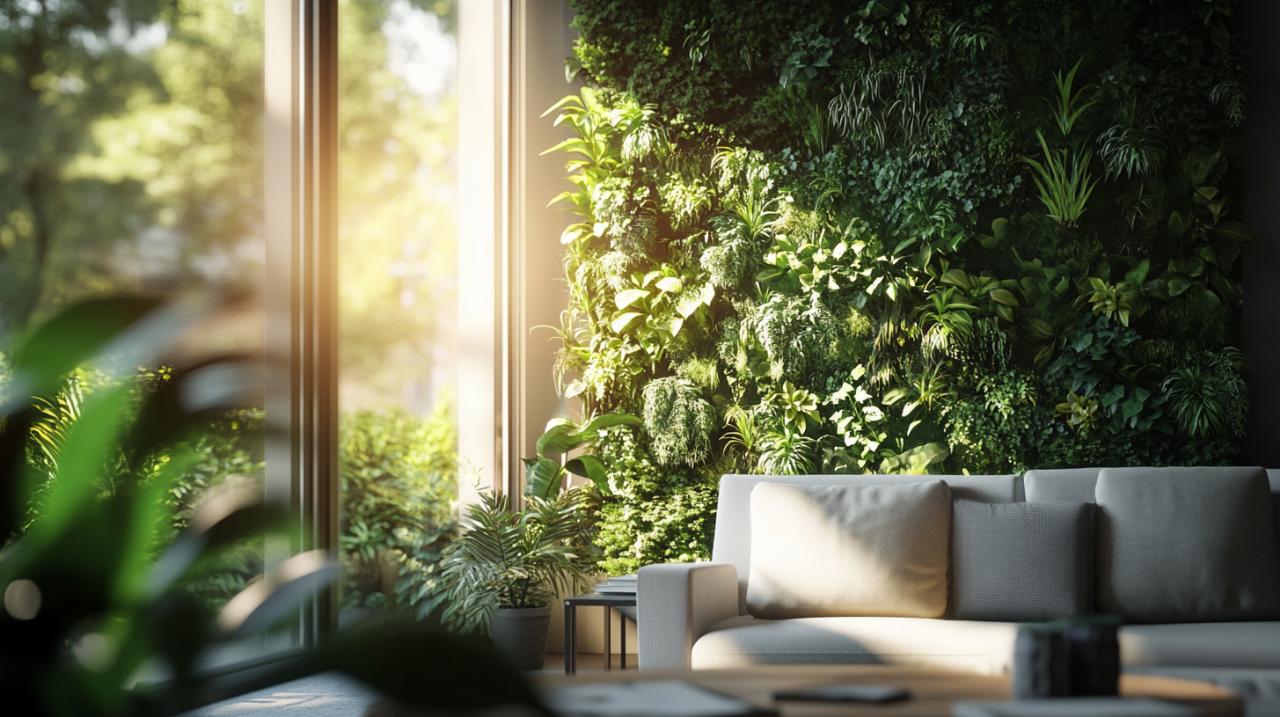
For those committed to creating a living wall, establishing an effective watering and drainage system is paramount. The longevity and health of your plants depend on consistent moisture levels, so investing in a reliable irrigation setup is well worth the effort. Begin by ensuring each planter has an adequate drainage mechanism to prevent water from pooling at the base, which can lead to root rot and other issues. Many modern planters are designed with built-in filters and indicators that show when the reservoir is full, taking the guesswork out of watering. If you are planning a larger installation, consider fitting an irrigation system that automatically distributes water to all plants at once. This can be as simple as a custom watering kit with tubing and drippers, or as advanced as an automatic tap timer that releases water at scheduled intervals. Such systems are particularly useful for busy households or commercial spaces where consistent care might otherwise be challenging. When filling your planters, use peat-free compost for its superior moisture and nutrient retention properties. Aim to place around four plants with diameters between twelve and fifteen centimetres in each planter for maximum coverage and visual impact. Once your plants are in place, water them thoroughly until the indicator reads full, ensuring that the roots have access to the moisture they need. Regularly check the water levels, especially during warmer months when evaporation rates increase, and adjust your watering schedule as necessary to keep your living wall lush and thriving.
Maintaining your indoor living wall: keeping it lush and healthy
Watering, Feeding, and Pruning Routines for Long-Term Success
A well-maintained indoor green wall can provide years of enjoyment, but it does require a commitment to regular care. Establishing a consistent watering routine is the cornerstone of successful plant care. Depending on the species you have chosen and the environmental conditions in your home, you may need to water daily or several times a week. Always monitor the water reservoir levels and top them up as needed, paying close attention to any changes in plant appearance that might indicate over or under-watering. In addition to watering, feeding your plants with a balanced liquid fertiliser every few weeks will supply the essential nutrients they need to grow vigorously. Choose a fertiliser formulated for indoor plants and follow the manufacturer's instructions carefully to avoid overfeeding. Pruning is another vital aspect of maintenance. Regularly trim back any dead or yellowing leaves to encourage new growth and maintain a tidy appearance. For herbs such as basil, mint, or rosemary, regular harvesting not only provides fresh ingredients for your kitchen but also promotes bushier, healthier plants. As your living wall matures, you may find that some plants grow more quickly than others, so periodic adjustments and replacements may be necessary to maintain an even, lush appearance. Keeping a close eye on your plants and responding promptly to their needs will ensure that your indoor green wall remains a vibrant centrepiece in your home.
Troubleshooting common issues: lighting, pests, and plant health
Even with the best intentions, issues can arise when cultivating an indoor living wall. One of the most common challenges is inadequate lighting, which can cause plants to become leggy or fail to thrive. If natural light is limited in your chosen location, consider supplementing with grow lights designed to mimic the spectrum of sunlight. Position the lights at an appropriate distance from the plants to avoid scorching while providing sufficient illumination for photosynthesis. Pests such as aphids, spider mites, and fungus gnats can also pose a threat to your living wall. Inspect your plants regularly for signs of infestation, such as discoloured leaves, sticky residue, or visible insects. At the first sign of trouble, treat affected plants with an organic insecticide or neem oil solution, and isolate them if necessary to prevent the problem from spreading. Poor plant health can also result from imbalanced humidity levels or temperature extremes. Ensure that your living wall is situated away from heating vents, air conditioning units, and drafty windows, as fluctuations can stress plants and make them more susceptible to disease. If you notice persistent issues despite your best efforts, consult resources from reputable garden centres or online communities dedicated to indoor gardening. Many UK retailers offer customer support and plant care guides, and some even provide bundles or subscription policies that include regular deliveries of fresh plants and care products. Taking advantage of such services can help you stay on top of maintenance and quickly address any problems that arise. With patience and attentiveness, you can overcome common challenges and enjoy a thriving indoor green wall that enhances your living space for years to come.