
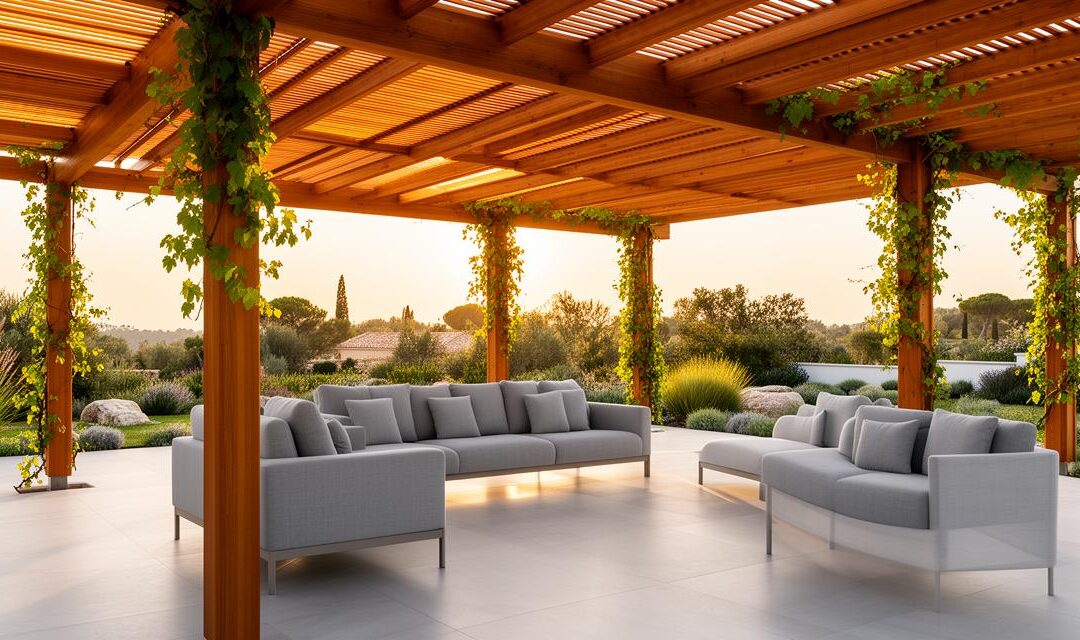
Transforming your outdoor space into a cohesive and inviting environment requires careful thought and planning. A pergola terrace can serve as the centrepiece of your garden, bridging the gap between your home and the natural beauty beyond. Whether you envision a tranquil retreat shaded by climbing plants or a vibrant entertainment area for hosting friends and family, the key lies in ensuring that your structure complements the existing landscape whilst serving practical purposes. By considering factors such as materials, placement, and design features, you can create an outdoor living space that feels both intentional and harmonious.
Choosing the Right Pergola Structure for Your Outdoor Space
Selecting the appropriate pergola structure is fundamental to achieving a seamless integration with your garden. The variety of options available today means that homeowners can tailor their choice to suit both aesthetic preferences and functional needs. From traditional wooden designs to modern bioclimatic aluminium systems, each material and style offers distinct advantages that can enhance your terrace and overall garden design.
Understanding bioclimatic aluminium pergolas and their adaptability
Bioclimatic aluminium pergolas have gained popularity due to their innovative approach to climate control and adaptability. These structures feature adjustable slats that can be rotated to regulate sunlight and airflow, allowing you to create the perfect environment regardless of weather conditions. The motorised blinds and adjustable roof elements provide shelter from rain or intense sun, making your terrace usable throughout the year. Aluminium as a material is particularly advantageous because it resists corrosion and requires minimal maintenance, ensuring that your investment remains attractive and functional for decades. The sleek, contemporary appearance of alu pergolas complements modern garden aesthetics whilst providing the flexibility needed to respond to changing climates and personal preferences.
Comparing wood versus alu materials for long-term durability
When deciding between wood and alu materials, it is essential to weigh the benefits and drawbacks of each. Wooden pergolas evoke a classic charm and blend naturally with garden surroundings, particularly when adorned with climbing plants such as Wisteria, Clematis, or Honeysuckle. Despite their timeless appeal, wooden structures do require ongoing care to prevent issues such as rotting or insect damage. Treatments and stains can prolong the life of the wood, but this adds to the maintenance schedule. Conversely, aluminium pergolas offer superior durability with virtually no upkeep required. They withstand the elements without fading, warping, or deteriorating, making them ideal for homeowners seeking a long-term solution. Composite materials also present a middle ground, combining the natural look of wood with enhanced resilience. Ultimately, your choice should reflect your garden style, budget, and willingness to commit to regular maintenance.
Planning Dimensions and Positioning for Optimal Garden Integration
Once you have settled on a material and style, the next crucial step involves planning the dimensions and positioning of your pergola terrace. Proper measurement and thoughtful placement ensure that the structure enhances rather than overwhelms your garden, creating a balanced and functional outdoor living space that feels like a natural extension of your home.
Measuring your terrace: essential guidelines for perfect fit
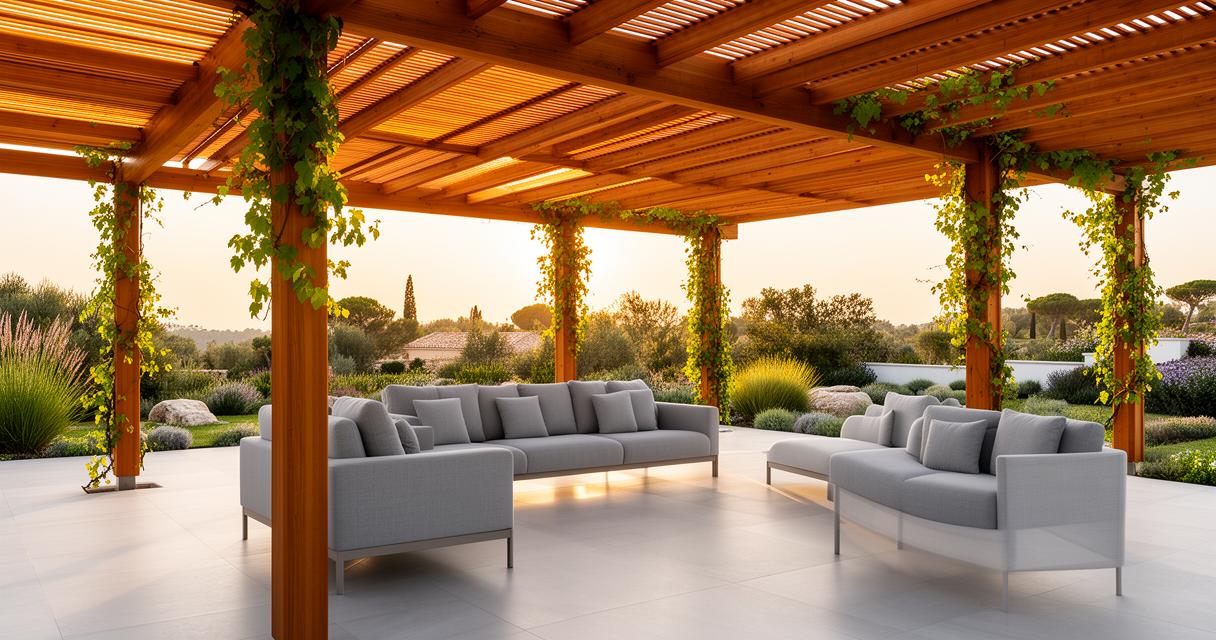
Accurate measurement is vital to achieving a pergola that fits seamlessly within your garden landscape. As a general guideline, the pergola should occupy less than a quarter of your total garden size to maintain aesthetic balance and prevent the space from feeling cramped. Before installation, take precise measurements of your terrace area and consider how the structure will relate to existing features such as patios, driveways, and outdoor kitchens. Factor in height restrictions as well, particularly if your pergola will be positioned near boundaries. Structures next to property lines should typically not exceed two and a half metres in height, whilst standalone installations can reach up to three metres without requiring planning permission. Professional consultation services can assist with these calculations and ensure that your design adheres to local regulations whilst maximising comfort and visual appeal.
Attached versus freestanding configurations for house extensions
Deciding whether to opt for an attached or freestanding configuration depends on how you intend to use the pergola and the layout of your garden. An attached pergola, which extends directly from your home, creates a seamless transition between indoor and outdoor living spaces. This arrangement is particularly effective for terraces adjacent to patio doors or bifold doors, as it encourages flow and enhances accessibility. Attached structures also benefit from the support of the house, which can simplify installation and provide additional stability. On the other hand, a freestanding pergola offers greater flexibility in placement and can serve as a focal point within the garden. This configuration is ideal for positioning over paths, elevated patios, or in sun traps where you want to create a shaded retreat. Freestanding designs also allow for creative uses such as framing outdoor kitchens, fire pits, or seating areas, provided there is adequate ventilation. Both options can be anchored securely using concrete or other professional methods to ensure safety and longevity.
Maximising Comfort with Adjustable Shade and Roof Features
A well-designed pergola terrace should offer more than just visual appeal; it must also provide practical comfort and adaptability. Incorporating adjustable shade and roof features allows you to control the environment beneath your pergola, ensuring that the space remains usable and enjoyable in a variety of weather conditions. These enhancements contribute significantly to the overall functionality of your outdoor living space.
Incorporating Motorised Blinds and Adjustable Slats for Climate Control
Motorised blinds and adjustable slats represent the pinnacle of modern pergola technology, offering precise control over light and temperature. With the touch of a button, you can open or close the slats to regulate sunlight, creating dappled shade on hot summer days or allowing full exposure when you desire warmth. This level of customisation is particularly beneficial for bioclimatic aluminium pergolas, which are engineered to respond dynamically to environmental changes. Motorised systems also enhance convenience, eliminating the need for manual adjustments and making it easier to adapt to sudden weather shifts. Beyond functionality, these features add a contemporary edge to your garden design, signalling a commitment to innovation and quality. The integration of such technology ensures that your pergola remains a comfortable refuge throughout the seasons, whether you are hosting gatherings or enjoying quiet moments of relaxation.
Creating functional shelter whilst enhancing garden aesthetics
A pergola should strike a balance between providing effective shelter and enhancing the beauty of your garden landscape. The roof design plays a pivotal role in achieving this equilibrium. Adjustable slats and louvred roofs offer protection from rain and intense sun whilst allowing for natural ventilation and light filtration. This prevents the space from feeling enclosed or stifling, maintaining an open and airy atmosphere. The gaps between beams can be customised to suit your preferences, whether you want generous coverage or a more open design that encourages the growth of climbing plants. Speaking of plants, adorning your pergola with greenery such as Roses, Sweet Peas, Passion Flowers, Trumpet Vines, Grapevines, or Potato Vines adds layers of texture and colour, further integrating the structure into the surrounding landscape. Hanging baskets provide immediate visual impact, whilst ground-level planting prevents a top-heavy appearance. By blending functional elements with thoughtful landscaping, you can create a terrace that is both a practical shelter and a stunning focal point, ultimately increasing the value and enjoyment of your home.