
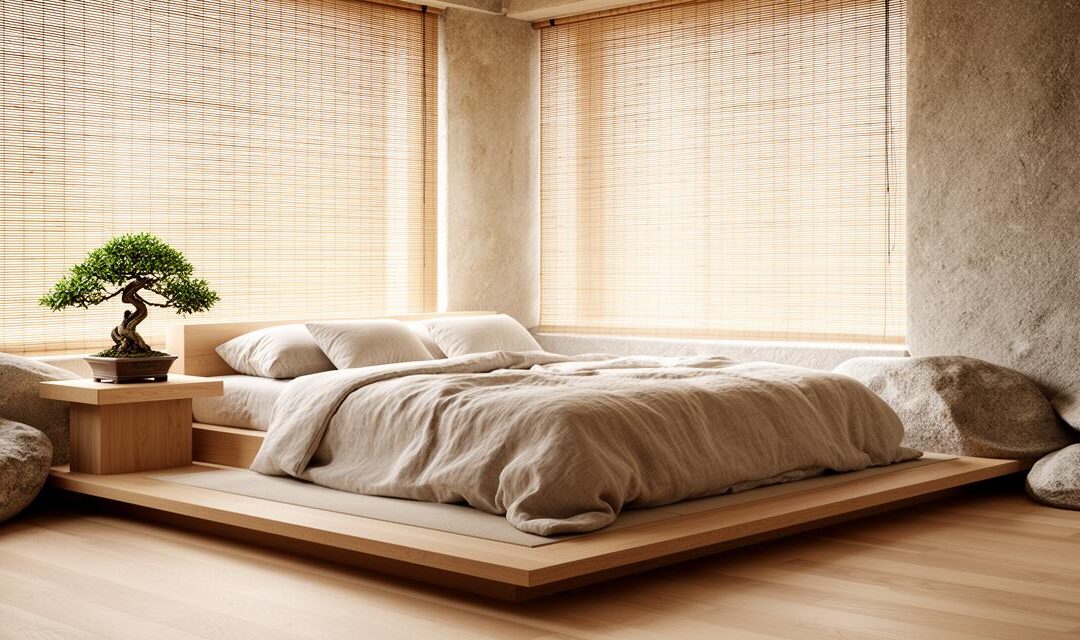
Transforming your bedroom into a haven of calm need not mean sacrificing the personal touches that make it uniquely yours. The principles of Zen design celebrate simplicity and serenity whilst offering a versatile canvas for meaningful decor. By thoughtfully combining natural materials, soothing tones, and treasured items, you can craft a restful retreat that not only promotes relaxation but also reflects your individual journey and cherished memories.
Crafting a Peaceful Sanctuary: Essential Elements of Zen Bedroom Design
Natural Materials and Organic Textures: Bringing the Outdoors Inside
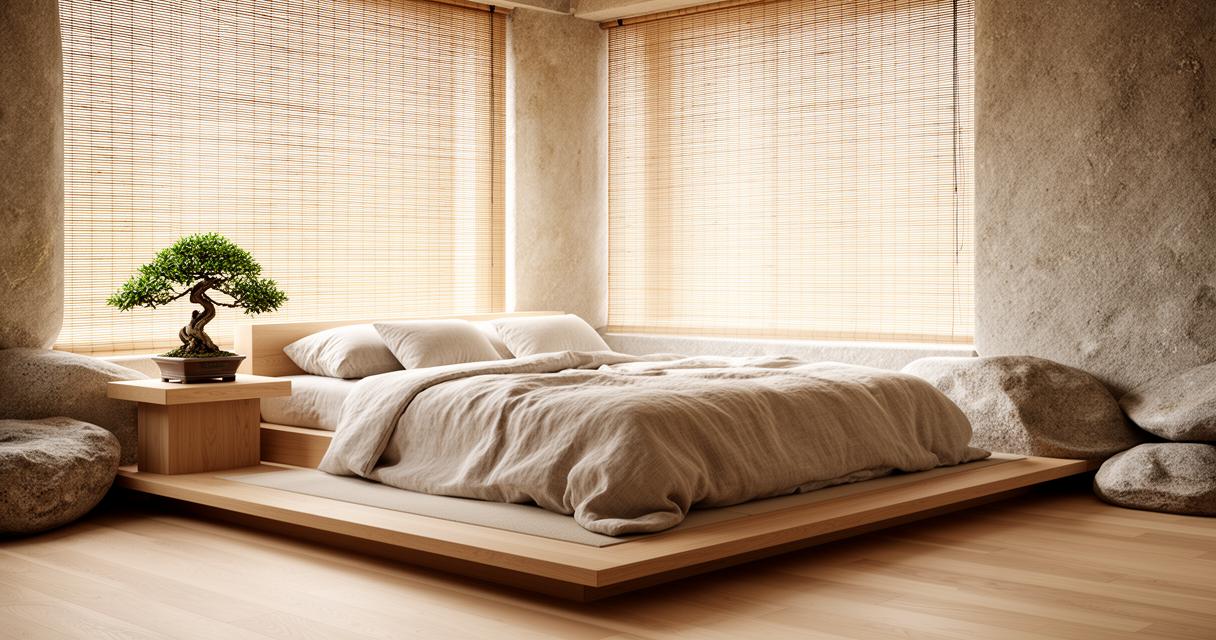
At the heart of any Zen-inspired bedroom lies a deep connection to the natural world. Incorporating materials such as wood and stone establishes a grounding presence that invites tranquillity into your personal space. Furniture featuring natural wood finishes brings warmth and a tactile quality that synthetic alternatives simply cannot replicate. Whether you choose oak, walnut, or lighter ash tones, wood introduces organic patterns and hues that evolve beautifully over time. Stone accents, meanwhile, lend a sculptural elegance and timeless appeal, anchoring the room with a sense of permanence and calm.
Beyond furniture, the inclusion of indoor plants significantly enhances the atmosphere. Greenery not only improves air quality but also creates a visual link to the outdoors, fostering a sense of balance and well-being. Plants such as peace lilies, snake plants, or potted ferns thrive indoors and require minimal maintenance, making them ideal companions for a serene bedroom. Their subtle movement and fresh fragrance contribute to an environment that feels alive yet restful. Natural bed linen made from cotton, silk, or hemp further elevates comfort, offering breathable, soft textures that support quality sleep whilst maintaining an understated aesthetic.
The Art of Simplicity: Embracing Minimalist Furnishings and Thoughtful Space Planning
Simplification is central to Zen philosophy, and this extends seamlessly into bedroom design. A clutter-free environment promotes mental clarity and relaxation, allowing the mind to unwind after a demanding day. Begin by decluttering surfaces and storage areas, removing items that do not serve a clear purpose or bring genuine joy. Bespoke fitted furniture offers an excellent solution for achieving seamless organisation, as tailored storage solutions maximise available space whilst maintaining clean lines and unobtrusive profiles.
When selecting furnishings, prioritise pieces with minimal ornamentation and functional elegance. A low-profile bed with simple lines becomes a focal point without overwhelming the room. Consider storage beds that discreetly house bedding and personal items, reducing visible clutter and enhancing the sense of openness. Thoughtful space planning ensures that each element has its place and purpose, creating a harmonious layout that supports both movement and stillness. Positioning the bed centrally or against a solid wall establishes a balanced focal point, whilst leaving ample circulation space around the room fosters a sense of freedom and ease.
Colour, comfort, and energy: creating balance through thoughtful choices
Selecting a Soothing Palette: Neutral Tones and Earthy Hues for Restful Sleep
Colour profoundly influences mood and energy levels, making palette selection a crucial aspect of Zen bedroom design. Warm whites, soft greys, gentle greens, and muted beiges form the foundation of a calming colour scheme. These neutral tones create a cohesive backdrop that encourages relaxation and mental tranquillity. Warmer neutrals, in particular, envelop the space in a comforting glow, ideal for winding down in the evening and waking gently in the morning.
Monochrome palettes offer another avenue for achieving balance, blending subtle variations of a single hue to create depth without distraction. Layering different shades of grey or cream, for example, adds visual interest whilst maintaining an understated elegance. Earthy tones drawn from nature, such as terracotta, sand, or soft olive, ground the space and reinforce the connection to the natural world. These colours work harmoniously with natural materials, enhancing the organic textures of wood and linen. To prevent the palette from feeling too monotonous, introduce contrasting elements sparingly, such as a darker cushion or a textured throw, which add dimension without disrupting the serene atmosphere.
Harmonising Your Space with Feng Shui Principles: Furniture Placement for Positive Flow
Feng Shui, an ancient practice rooted in achieving harmony between individuals and their environment, offers valuable guidance for optimising bedroom layouts. Central to this philosophy is the concept of energy flow, or chi, which should circulate freely throughout the room. Positioning the bed in a commanding position, typically facing the door but not directly in line with it, provides a sense of security and control. Avoid placing the bed beneath windows or in direct alignment with the doorway, as these arrangements can disrupt restful energy and create subconscious unease.
Balance is equally important when arranging other furnishings. Symmetry, such as matching bedside tables or lamps on either side of the bed, promotes equilibrium and visual calm. Ensure that pathways around the bed remain open and unobstructed, allowing energy to move smoothly and preventing the space from feeling cramped. Mirrors should be used thoughtfully, as they can amplify light and space but may also disrupt sleep if positioned to reflect the bed directly. Adequate lighting, both natural and artificial, plays a vital role in maintaining positive energy. Natural light floods the room with vitality and warmth, whilst well-placed artificial lighting, such as hanging lights or soft bedside lamps, creates a welcoming atmosphere that adapts to different times of day.
Personal Touches in a Serene Setting: Infusing Your Story into Zen Design
Curating meaningful accessories: displaying cherished items without clutter
Whilst minimalism forms the backbone of Zen design, this does not necessitate a sterile or impersonal space. The key lies in curating accessories that hold genuine significance, displaying them in a manner that respects the overall sense of calm. Select a few treasured photographs, artworks, or mementos that evoke positive emotions and tell your personal story. Rather than overcrowding surfaces, choose strategic locations where these items can be appreciated fully, such as a floating shelf, a bedside table, or a single feature wall.
Artwork with natural themes, abstract compositions, or serene landscapes complements the Zen aesthetic beautifully. Opt for pieces framed simply, avoiding ornate or heavy frames that detract from the artwork itself. Textiles, such as a handwoven throw or an heirloom quilt, add layers of texture and warmth whilst serving as reminders of cherished memories or cultural heritage. Each accessory should enhance the room's tranquillity rather than compete for attention. By limiting the number of decorative items and choosing those with personal resonance, you create a space that feels both serene and intimately yours.
Defining Zones for Rest and Reflection: Creating Multi-Functional Areas Within Your Bedroom
Modern living often demands that bedrooms serve multiple purposes beyond sleep. Carving out distinct zones within the room allows you to accommodate activities such as reading, meditation, or gentle exercise without compromising the restful atmosphere. A cosy reading nook positioned near a window takes advantage of natural light and provides a quiet retreat for reflection. A simple chair, a soft cushion, and a small side table create an inviting spot that encourages relaxation and mindfulness.
If space permits, consider incorporating a dedicated area for meditation or yoga. A low platform, a plush mat, and a few calming accessories such as candles or incense establish a sanctuary within a sanctuary, supporting mental clarity and stress reduction. Storage solutions, such as discreet boxes or built-in cabinetry, keep items related to these activities neatly organised and out of sight when not in use. By defining these zones with subtle changes in flooring, lighting, or furniture arrangement, you maintain the overall cohesion of the room whilst honouring its multi-functional nature. This approach not only maximises the utility of your bedroom but also enriches your daily routine with moments of peace and introspection, reinforcing the Zen philosophy of mindful living.