
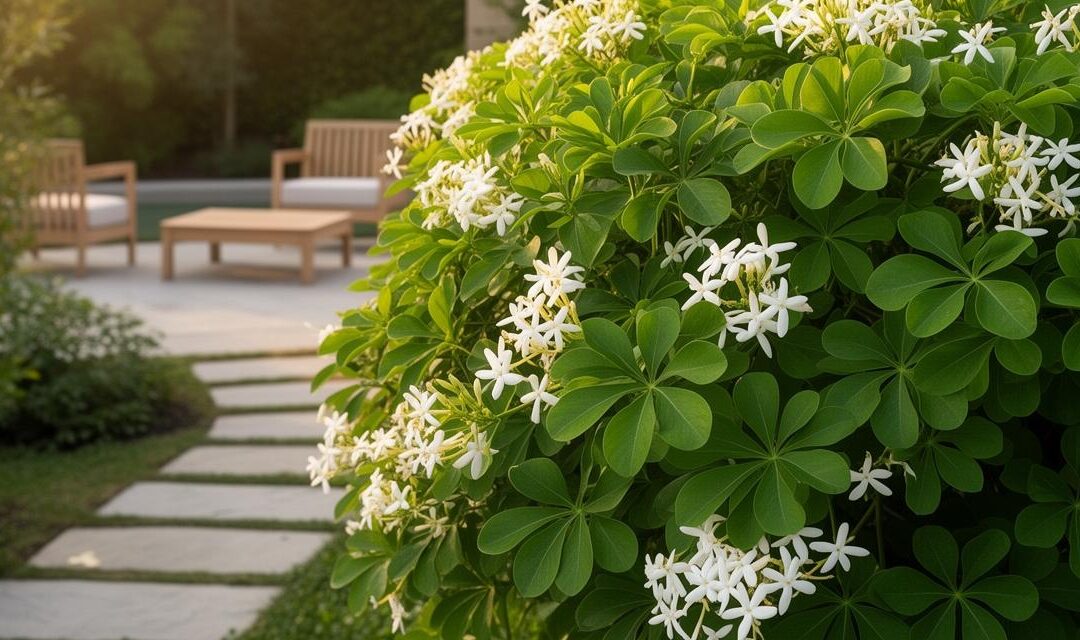
The allure of Choisya ternata, commonly known as Mexican Orange Blossom, lies in its remarkable ability to infuse gardens with glossy evergreen foliage and waves of fragrant white flowers that captivate the senses throughout spring and well into summer. This compact evergreen shrub has earned its place as a beloved staple in British gardens, celebrated not only for its low maintenance demands but also for its versatility in adapting to various garden settings. Whether positioned in full sun or partial shade, this hardy plant rewards gardeners with abundant growth and aromatic blooms, provided its foundational needs are met with care and attention.
- Choisya ternata, or Mexican Orange Blossom, is a versatile, low-maintenance evergreen shrub that thrives in fertile, well-drained soil.
- The plant performs best in neutral to slightly acidic soil conditions and benefits significantly from the addition of well-rotted organic compost.
- Effective drainage is critical, as waterlogged soil can lead to root rot and increased susceptibility to frost damage.
- While young plants require regular watering to establish their roots, mature specimens develop strong drought tolerance and only need deep watering during prolonged dry spells.
- Applying a five-centimetre layer of organic mulch helps regulate soil moisture, suppress weeds, and improve soil fertility over time.
- Spring and early autumn are the optimal seasons for planting to ensure the shrub successfully establishes its root system before extreme weather conditions.
Understanding the Essential Soil Conditions for Thriving Choisya Ternata
Success with Choisya ternata begins beneath the surface, where the quality and composition of the soil determine the vigour and longevity of this enchanting shrub. Creating the ideal environment for your Mexican Orange Blossom requires a thoughtful approach to soil preparation, drainage, and moisture balance. By understanding these fundamental requirements, gardeners can ensure that their plants establish robust root systems and flourish for years to come.
Optimal Soil Composition and pH Levels for Your Flowering Shrub
Choisya ternata demonstrates a preference for fertile, well-drained soil that supports healthy root development whilst preventing the accumulation of excess moisture that could lead to root rot or other complications. The ideal soil composition combines good structure with adequate nutrient content, creating a balanced medium that allows roots to breathe whilst accessing essential minerals. Incorporating well-rotted compost into the planting area significantly enhances soil quality, improving both drainage and fertility in one simple amendment. This organic matter gradually breaks down, releasing nutrients that support the glossy foliage and prolific flowering that make this shrub so desirable.
Although Choisya ternata tolerates a range of pH levels, it performs best in neutral to slightly acidic conditions. Gardeners working with heavy clay soils should take particular care to improve drainage by adding generous quantities of organic matter, as waterlogged conditions prove detrimental to this otherwise hardy plant. Sandy soils, whilst naturally well-draining, benefit from compost additions that enhance moisture retention and provide a steady supply of nutrients throughout the growing season. The transformation of ordinary garden soil into an optimal growing medium for Mexican Orange Blossom need not be complicated, but attention to these details ensures that your investment in this beautiful evergreen shrub yields spectacular results.
Drainage Requirements and Moisture Management for Evergreen Excellence
Proper drainage stands as the cornerstone of successful Choisya cultivation, as this evergreen shrub absolutely requires soil that allows excess water to move away from the root zone efficiently. Waterlogged areas prove entirely unsuitable for Mexican Orange Blossom, often leading to yellowing leaves, stunted growth, and increased susceptibility to frost damage during colder months. When selecting a planting site, avoid low-lying spots where water naturally collects or areas with compacted soil that impedes drainage. Testing your drainage before planting can be as simple as digging a hole, filling it with water, and observing how quickly it drains; if water remains after several hours, additional soil amendments or an alternative location should be considered.
For newly planted specimens, regular watering during the first year proves essential as the root system establishes itself in its new environment. This initial period of attentive moisture management sets the foundation for a plant that, once mature, demonstrates admirable drought tolerance. Established Choisya ternata plants cope remarkably well with dry spells, making them excellent choices for gardens where water conservation matters or for busy gardeners seeking low maintenance options. During prolonged dry periods in summer, even established plants appreciate occasional deep watering, which encourages roots to grow deeper and strengthens overall resilience. Applying a layer of organic mulch around the base of the plant, maintaining a depth of approximately five centimetres, helps regulate soil moisture whilst suppressing weeds and gradually improving soil structure as it decomposes.
Cultivation Secrets: Planting and Maintenance Techniques for Choisya Varieties
Mastering the art of growing Choisya ternata extends beyond soil preparation to encompass strategic planting timing, variety selection, and ongoing maintenance practices that promote vigorous growth and abundant flowering. Popular cultivars such as Dazzler and Aztec Pearl each bring distinctive characteristics to the garden, with Dazzler offering particularly striking foliage and Aztec Pearl presenting delicate pink-tinged blooms. Understanding the specific needs of your chosen variety, combined with adherence to proven planting and care techniques, unlocks the full ornamental potential of these remarkable flowering shrubs.
Best Planting Periods and Establishment Methods for Dazzler and Aztec Pearl
Timing plays a crucial role in the successful establishment of Choisya ternata, with spring and early autumn emerging as the optimal seasons for planting. Spring planting allows the shrub to develop its root system during the warm growing season ahead, whilst autumn planting takes advantage of residual soil warmth and increased rainfall, giving roots time to establish before the onset of winter dormancy. Both periods offer distinct advantages, and the choice often depends on local climate conditions and personal gardening schedules. When planting in spring, gardeners benefit from the natural surge of growth that characterises this season, whilst autumn planting reduces the immediate watering burden as cooler temperatures and seasonal rains maintain adequate soil moisture.
The actual planting process begins with excavating a hole approximately twice the width of the root ball but no deeper, as Choisya prefers to sit at the same level it occupied in its container. Before positioning the plant, loosening the roots gently encourages them to spread into the surrounding soil rather than continuing to grow in a circular pattern. Backfilling with a mixture of excavated soil and well-rotted compost creates an enriched environment that supports rapid establishment. Firming the soil gently around the root ball eliminates air pockets whilst avoiding excessive compaction that might impede drainage. A thorough watering immediately after planting settles the soil and ensures good contact between roots and their new growing medium. For varieties like Dazzler and Aztec Pearl, which may eventually reach heights and spreads of approximately two and a half metres, allowing adequate space from neighbouring plants ensures proper air circulation and prevents competition for resources as the shrub matures.
Pruning Practices and Seasonal Care to Promote Abundant Spring Growth
Choisya ternata responds exceptionally well to thoughtful pruning, which maintains an attractive compact shape whilst encouraging the production of fresh growth that bears the fragrant white flowers for which this shrub is celebrated. The most substantial pruning should occur immediately after the main spring flowering has concluded, allowing the plant ample time to develop new shoots that will carry the following year's blooms. Light trimming throughout the growing season keeps the shrub tidy and can be performed as needed to remove wayward branches or maintain desired proportions. For plants that have become overgrown or leggy, hard pruning in spring offers an opportunity for rejuvenation, though this more drastic approach should be undertaken with the understanding that flowering may be reduced in the immediate season following such intervention.
Deadheading spent flowers, whilst not strictly necessary, encourages additional blooming during the late summer flowering period that characterises many Choisya varieties. This simple maintenance task takes only moments but can noticeably enhance the ornamental display during the latter part of the growing season. Seasonal care extends beyond pruning to include the application of balanced fertiliser in early spring, which supports the burst of growth and flowering that defines this period. A light additional application in mid-summer can benefit plants growing in less fertile soils or those showing signs of reduced vigour. The annual addition of a mulch layer using well-rotted compost delivers gentle, sustained nutrition whilst improving soil structure year after year. In regions subject to harsh winters, an additional layer of organic mulch applied in late autumn provides valuable insulation that protects roots from frost damage, ensuring the plant emerges healthy and ready to flourish when warmer weather returns.
Enhancing foliage development and fragrant blooms through proper soil enrichment
The distinctive glossy foliage and intoxicating fragrance of Choisya ternata flowers represent the culmination of proper cultivation practices, with soil quality playing a pivotal role in maximising these desirable characteristics. By selecting appropriate amendments and understanding the relationship between soil nutrition and plant performance, gardeners can elevate their Mexican Orange Blossom from merely satisfactory to truly spectacular, creating focal points that delight the eye and enchant the senses throughout the growing season.
Selecting Appropriate Products and Amendments for Superior Soil Quality
Well-rotted compost stands as the foundation of soil enrichment for Choisya ternata, providing a balanced array of nutrients alongside beneficial organic matter that improves soil structure over time. This natural amendment addresses multiple needs simultaneously, enhancing drainage in heavy soils whilst improving moisture retention in lighter ones, all whilst delivering gentle nutrition that supports sustained growth. For gardeners seeking to augment their soil improvement efforts, balanced fertiliser formulations offer concentrated nutrition that can address specific deficiencies or support plants growing in challenging conditions. Application of such products should follow manufacturer guidelines, with early spring representing the ideal timing to support the forthcoming growth surge and flowering period.
The strategic use of organic mulch extends beyond moisture regulation to play a significant role in long-term soil enrichment. As mulch gradually decomposes, it releases nutrients into the soil whilst fostering beneficial microbial activity that further enhances soil health. Materials such as composted bark, leaf mould, or well-rotted manure all serve admirably in this capacity, though gardeners should ensure that mulch remains several centimetres away from the base of the stem to prevent moisture accumulation that could encourage fungal issues. For plants showing signs of poor flowering despite adequate light and water, a soil test can reveal specific nutrient deficiencies that targeted amendments might address. However, in most garden situations, the combination of initial soil preparation with compost and ongoing annual mulching provides all the enrichment that Choisya ternata requires to perform magnificently.
Maximising the Aromatic Potential of Fragrant Leaves and Flowers in Your Garden
The aromatic qualities of Choisya ternata, evident in both its glossy foliage and fragrant white flowers, intensify when plants enjoy optimal growing conditions that support vigorous, healthy growth. Adequate nutrition proves essential for the development of the essential oils that produce the characteristic citrus scent when leaves are brushed or crushed, making soil quality directly relevant to the sensory experience this shrub provides. Plants grown in fertile, well-maintained soil produce more abundant blooms with enhanced fragrance compared to those struggling in depleted or poorly structured earth. The connection between root health and above-ground performance cannot be overstated, as a robust root system efficiently takes up the water and nutrients necessary for producing the lush growth and prolific flowering that maximise aromatic impact.
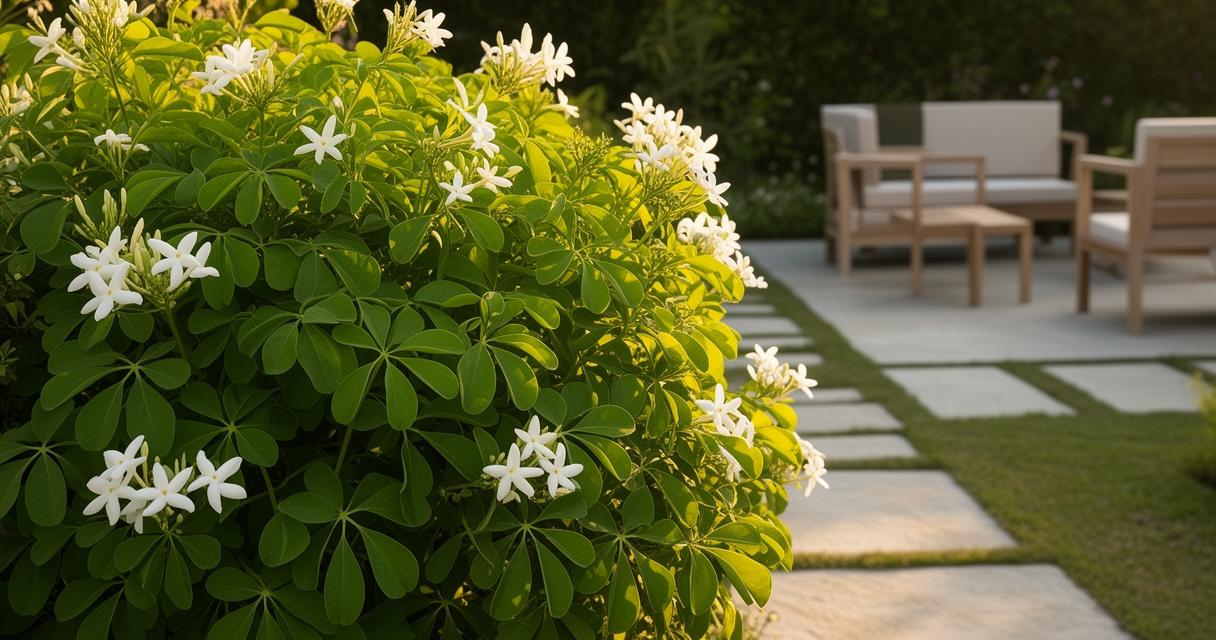
Positioning plays a complementary role in fragrance appreciation, with plantings near pathways, seating areas, or entrances allowing gardeners and visitors to fully enjoy the scent released by both flowers and foliage. When combined with proper soil enrichment that supports maximum flowering, strategic placement transforms Choisya ternata from a background shrub into an interactive garden feature that engages multiple senses. The late summer flowering that follows the main spring display extends the period during which this delightful fragrance graces the garden, with proper care ensuring that both flowering periods occur with equal vigour. For gardeners committed to creating sensory-rich outdoor spaces, investing time and effort into optimising soil conditions for Mexican Orange Blossom yields dividends that extend far beyond visual appeal, enriching the entire garden experience with waves of citrus-scented blooms that linger in memory long after the season has passed.