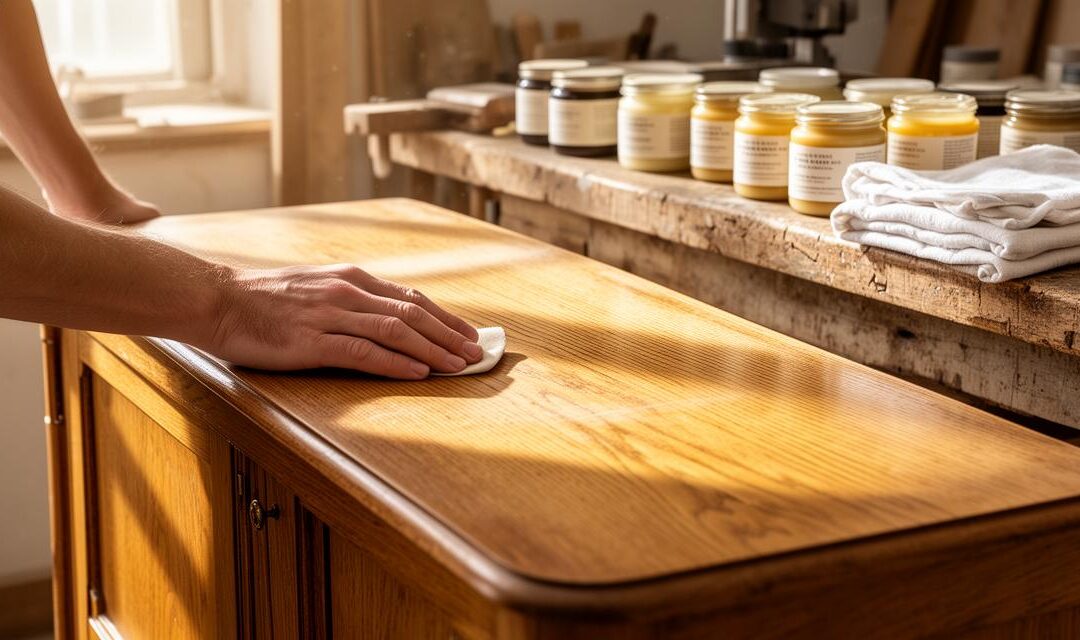
Restoring an antique sideboard represents far more than a simple weekend project; it is a journey into the heart of craftsmanship, history, and personal expression. Whether you have inherited a family heirloom or discovered a forgotten treasure at a local market, bringing a piece of period furniture back to life requires patience, skill, and the right resources. Maison Online offers a comprehensive toolkit and expert guidance to help enthusiasts and professionals alike navigate the intricate process of furniture restoration, ensuring that each piece retains its original charm whilst meeting modern standards of functionality and beauty.
- Restoring an antique sideboard requires a blend of patience, skill, and the right selection of tools to preserve historical charm while ensuring modern functionality.
- The stripping process relies on specialized hand tools like cabinet scrapers and various grades of sandpaper to remove old finishes without damaging the underlying wood grain.
- Structural repairs, such as fixing loose joints or damaged veneers, demand high-quality chisels and reliable clamping equipment to ensure precise and durable results.
- Selecting the appropriate finish—whether traditional shellac and wax or modern varnishes—is essential for both protecting the wood and enhancing its aesthetic appeal.
- Wood stains are useful for correcting colour fading, though it is recommended to test them on inconspicuous areas to ensure consistent results across different timber types.
- A successful restoration project should always begin with a thorough inspection of the piece to identify structural issues like woodworm or rot before starting any work.
Essential Tools and Materials from Maison Online for Sideboard Restoration
Embarking on a furniture restoration project demands more than enthusiasm and good intentions. The quality of your results hinges significantly on the tools and materials at your disposal. Maison Online provides a curated selection of products designed specifically for those who wish to restore antique sideboards with precision and care. From hand tools to specialist finishes, every item in the catalogue has been chosen to support both beginners and seasoned restorers in achieving professional outcomes.
Must-Have Hand Tools and Equipment for Stripping Antique Furniture
The first stage of any restoration involves carefully removing old finishes, layers of paint, and accumulated grime without damaging the underlying wood. This delicate process requires a range of hand tools that combine traditional craftsmanship with modern efficiency. Maison Online stocks an array of scrapers, ranging from cabinet scrapers to card scrapers, each designed to peel away old varnish and paint with minimal effort. A well-maintained scraper can reveal the natural grain of the wood, allowing you to assess the true condition of the timber beneath decades of wear.
Sandpaper and abrasive materials form another cornerstone of the stripping process. Maison Online offers a variety of grits, from coarse to fine, enabling restorers to progress through the stages of smoothing and preparing the surface. It is essential to start with a coarser grit to remove stubborn finishes and gradually move to finer grades to achieve a silky smooth surface ready for new treatments. Electric sanders can speed up the process, but hand sanding remains invaluable for intricate mouldings and hard-to-reach areas where machines cannot venture.
Chisels and gouges are indispensable when addressing structural repairs. Antique sideboards often suffer from loose joints, broken dowels, or damaged veneer. A sharp set of chisels allows you to carefully remove old glue, reshape joints, and prepare surfaces for reattachment. Maison Online provides high-quality chisels that hold their edge well, reducing the need for frequent sharpening and ensuring clean, precise cuts. For more substantial repairs, clamps and vices are necessary to hold pieces firmly in place whilst adhesives cure, guaranteeing a strong and lasting bond.
Selecting the Right Finishes and Restoration Products Online
Once the structure and surface of your sideboard have been meticulously prepared, the choice of finish becomes paramount. The finish not only protects the wood but also enhances its natural beauty, highlighting the grain and colour that make antique furniture so captivating. Maison Online's range of restoration products includes traditional options such as shellac, wax, and oil, as well as modern alternatives like water-based varnishes and polyurethane finishes. Each type of finish has its own characteristics, and selecting the right one depends on the desired aesthetic and the level of protection required.
Shellac remains a favourite among traditionalists for its warm glow and ease of application. Derived from natural resins, shellac dries quickly and can be built up in multiple thin coats to achieve a lustrous finish. Waxes, on the other hand, offer a softer sheen and are ideal for pieces that will not endure heavy use. They provide a tactile, almost velvety surface that feels authentic to the period. For sideboards destined for daily service, a more durable finish such as a hardwearing varnish or polyurethane may be more appropriate, offering resistance to moisture and scratches without compromising on appearance.
Stains and wood dyes available through Maison Online allow you to adjust the colour of the wood to match other pieces or to restore the original hue that may have faded over time. These products penetrate deeply into the timber, ensuring a consistent and long-lasting colour. When selecting a stain, it is crucial to test it on an inconspicuous area first, as different woods absorb colour in varying ways. Maison Online's detailed product descriptions and customer reviews provide valuable insights into how each stain performs, helping you make informed decisions that align with your restoration goals.
Step-by-step guide to restoring your antique sideboard
A successful restoration follows a logical sequence of steps, each building upon the last to transform a worn piece into a functional work of art. Understanding this process and approaching it with care and attention to detail is essential. Maison Online supports restorers at every stage, offering not only the tools and materials but also educational resources, including courses on furniture restoration that cover everything from initial assessment to final finishing touches.
Assessing damage and planning your restoration approach
Before a single tool touches the wood, a thorough assessment of the sideboard's condition is vital. Begin by examining the structure for signs of woodworm, rot, or previous poor repairs. Loose joints should be noted, as should any missing hardware or damaged veneer. This initial inspection informs the entire restoration strategy, helping you prioritise tasks and allocate time and resources effectively. Maison Online encourages restorers to document the piece with photographs and notes, creating a reference that can guide decisions and track progress.
Understanding the historical context of the sideboard can also influence your approach. Researching the style, period, and construction methods typical of the piece can reveal whether certain features are original or later additions. This knowledge is invaluable when deciding how far to take the restoration. Some enthusiasts prefer to retain signs of age and use, embracing the patina and imperfections as part of the furniture's story. Others aim for a more complete renewal, stripping back to bare wood and refinishing as if the piece were new. Maison Online's membership plans offer access to courses on historical furniture styles and techniques, providing the knowledge needed to make these decisions with confidence.
Once the assessment is complete, it is time to plan the sequence of work. Typically, structural repairs take precedence, ensuring that the sideboard is stable and sound before any cosmetic work begins. Cleaning and stripping follow, removing old finishes and revealing the wood beneath. Repairs to veneer, mouldings, and hardware come next, followed by sanding and preparation for finishing. Finally, the chosen finish is applied, and any final adjustments are made. This methodical approach minimises the risk of errors and ensures that each stage of the restoration is completed to the highest standard.
Proper Techniques for Cleaning, Repairing, and Refinishing Period Pieces
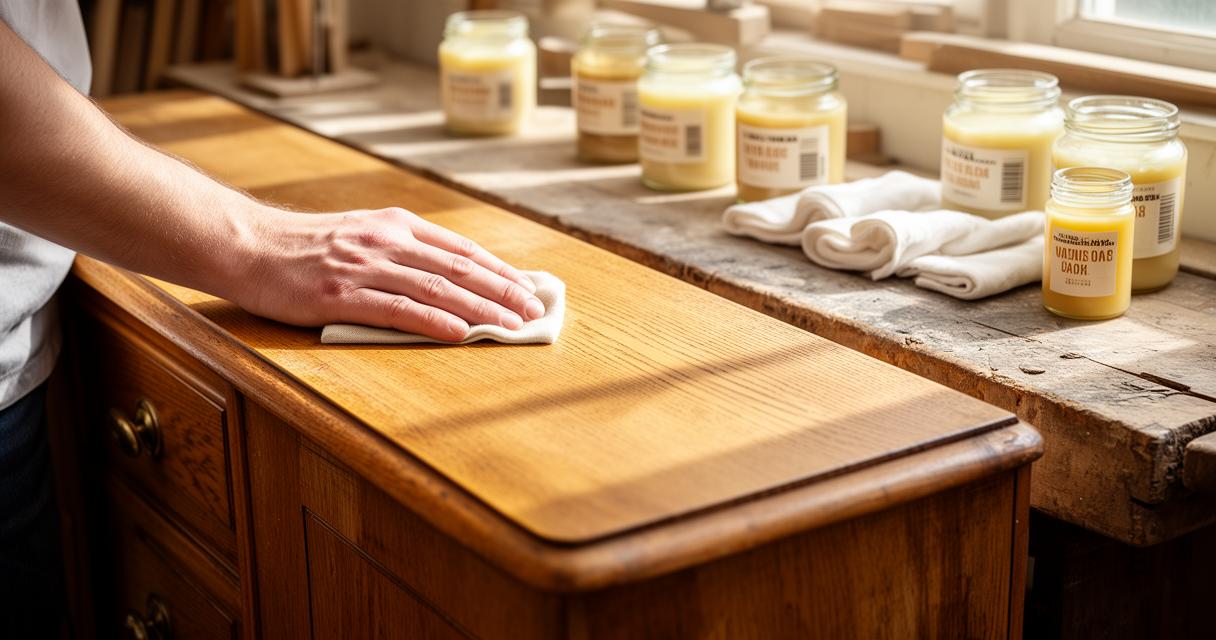
Cleaning an antique sideboard requires a gentle touch and appropriate products. Harsh chemicals can damage finishes and strip away the patina that gives the piece its character. Maison Online recommends starting with a mild solution of warm water and a few drops of washing-up liquid, applied with a soft cloth. This simple mixture can remove decades of dust and grime without harming the wood or existing finish. For more stubborn dirt, specialist cleaners designed for antique furniture are available, each formulated to lift contaminants whilst preserving the integrity of the surface.
Structural repairs often involve regluing loose joints, replacing broken dowels, or reinforcing weakened areas. Traditional animal glue, available from Maison Online, is preferred by many restorers for its reversibility and strength. Unlike modern synthetic adhesives, animal glue can be softened with heat and moisture, making future repairs easier. When regluing joints, it is essential to clean away all traces of old glue and ensure a snug fit before clamping. Patience is key, as rushing this stage can result in weak joints that fail under stress.
Veneer repairs present a unique challenge, as antique sideboards often feature intricate inlays and decorative veneers that cannot be easily replaced. Small blisters or lifted edges can be re-adhered using a heated iron and a layer of damp cloth to soften the glue beneath. For missing sections, sourcing matching veneer is crucial, and Maison Online offers a range of veneers in various species and cuts. Colour matching and grain direction require careful attention to ensure that repairs blend seamlessly with the original surface. Once repairs are complete, sanding prepares the wood for finishing, removing any unevenness and creating a smooth base.
The refinishing process itself is where the transformation truly becomes visible. Applying the chosen finish in thin, even coats allows each layer to dry thoroughly before the next is added. Maison Online's hot deals on finishing products make it affordable to experiment with different techniques and achieve professional results. Between coats, light sanding with a fine grit paper smooths any raised grain and ensures a flawless surface. The final coat is often rubbed with fine steel wool and wax to create a soft lustre that highlights the beauty of the restored wood.
Preserving authenticity whilst modernising your restored sideboard
One of the most delicate aspects of restoring an antique sideboard is striking a balance between preserving its historical authenticity and adapting it for contemporary use. Modern households have different needs and expectations, and furniture that has survived for decades or even centuries may require subtle modifications to remain functional. Maison Online's approach to restoration respects the past whilst acknowledging the demands of the present, offering solutions that enhance usability without compromising character.
Balancing original character with contemporary functionality
Antique sideboards were designed for a different era, often lacking the conveniences that we now take for granted. Adding features such as soft-close hinges, internal lighting, or adjustable shelving can transform a beautiful but impractical piece into a functional centrepiece for a dining room or living space. Maison Online stocks a range of hardware and fittings that blend seamlessly with period aesthetics, allowing you to upgrade functionality without jarring anachronisms. The key is to ensure that any additions are reversible and do not permanently alter the structure or appearance of the sideboard.
Colour and finish choices also play a significant role in modernising a restored piece. Whilst traditional dark stains and heavy varnishes were once the norm, contemporary tastes often favour lighter, more natural finishes that showcase the wood's grain. Maison Online's selection of modern finishes includes options that dry quickly and emit fewer fumes, making them more convenient for home use. These products can achieve a fresh, updated look whilst still respecting the furniture's age and provenance. It is important to remember that restoration is not about erasing history but about ensuring that the piece remains relevant and loved for generations to come.
Incorporating personal touches can also enhance the connection between the restorer and the restored. Perhaps you choose to line drawers with handmade paper, or add a discreet maker's mark to commemorate your work. Maison Online encourages creativity and individuality, offering courses on creative arts that inspire restorers to experiment with decorative techniques such as hand-painting, gilding, or inlay work. These embellishments, when done with skill and sensitivity, can elevate a restoration from a mere repair to a unique expression of craftsmanship.
Maintenance tips to protect your restored antique furniture investment
Once the restoration is complete, ongoing care is essential to protect your investment and ensure that the sideboard continues to bring joy for years to come. Regular dusting with a soft, lint-free cloth prevents the accumulation of grime that can dull finishes and obscure the wood's beauty. Maison Online recommends avoiding aerosol polishes that can leave a residue and instead using a small amount of high-quality wax applied sparingly and buffed to a shine. This traditional method nourishes the wood and enhances its natural lustre without the need for harsh chemicals.
Placement also affects the longevity of your restored sideboard. Direct sunlight can fade finishes and cause the wood to dry out and crack, so it is wise to position the piece away from windows or use curtains and blinds to filter UV rays. Extreme fluctuations in temperature and humidity can also cause wood to expand and contract, leading to warping or splitting. Maintaining a stable indoor environment, particularly in centrally heated homes, helps preserve the integrity of the restoration. Humidifiers and dehumidifiers can be useful tools in managing moisture levels, and Maison Online's health and fitness courses include guidance on creating comfortable, balanced living spaces that benefit both people and furniture.
Periodic inspections allow you to catch minor issues before they become major problems. Check joints for signs of loosening, examine finishes for wear or damage, and ensure that hardware remains secure. Should repairs be necessary, addressing them promptly prevents further deterioration. Maison Online's membership plans provide lifelong savings on materials and access to ongoing support, making it easy to maintain your restored pieces over time. By treating your antique sideboard with care and respect, you honour the craftsmanship of the past and ensure that future generations can enjoy its beauty and utility.
Restoring an antique sideboard is a rewarding endeavour that combines practical skills with artistic vision. With the comprehensive toolkit and resources available through Maison Online, both novice and experienced restorers can embark on this journey with confidence. From selecting the right tools and finishes to mastering techniques for cleaning, repairing, and refinishing, every step is supported by expert guidance and quality products. The result is not merely a piece of furniture but a restored heirloom that tells a story of dedication, skill, and a deep appreciation for the art of restoration.